How Proper Installation Prevents Cracking and Settling
Choosing experienced local contractors ensures proper installation techniques that help prevent cracking and settling in your concrete driveway.
Understanding how proper installation prevents cracking and settling is essential for property owners looking to maximize the longevity and performance of their concrete surfaces. When a driveway or other concrete feature is installed correctly, it helps ensure that the material can withstand the stresses of daily use and environmental factors without developing unsightly cracks or uneven settling. This knowledge is particularly valuable for those in the area who want to protect their investment and avoid costly repairs down the line, making it worthwhile to explore how experienced local contractors approach proper installation techniques.
For property owners considering a new concrete driveway, learning about the importance of proper installation can highlight the practical benefits of working with skilled service providers. Local contractors who prioritize correct procedures can help prevent common issues like cracking and settling by carefully preparing the site, choosing appropriate materials, and following best practices during placement. Keeping this focus in mind can assist in making informed decisions and ensure that the driveway remains durable and visually appealing for years to come.
- Concrete driveway installation services are essential when planning a new driveway to ensure proper foundation preparation and material placement that minimizes cracking and settling. Local contractors focus on accurate subgrade compaction and appropriate concrete mixing techniques to promote long-lasting durability. When existing driveways show signs of cracking or uneven settling, experienced service providers can evaluate underlying issues and implement proper installation methods to prevent further damage. Proper installation practices by local pros include control joint placement and reinforcement to accommodate ground movement and temperature changes. Contacting local concrete specialists can help ensure the driveway is installed correctly to resist cracking and settling over time.
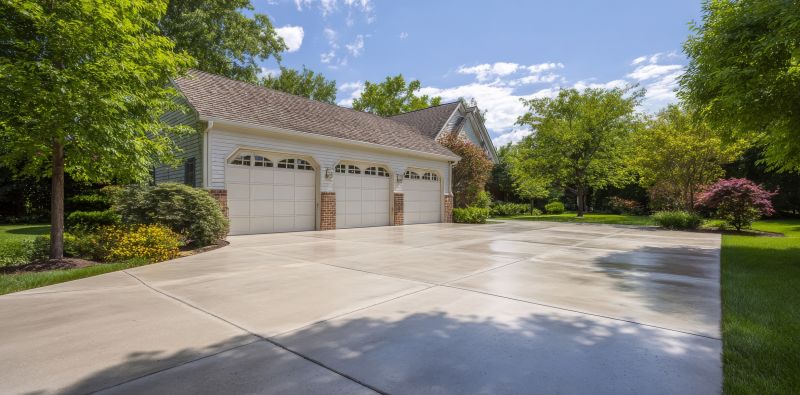


When homeowners search for how proper installation prevents cracking and settling, they are often looking to understand how to ensure their concrete projects remain durable over time. Cracking and settling are common concerns in many types of concrete surfaces, especially driveways, patios, and walkways. These issues typically arise when the initial installation process does not address underlying soil conditions, proper subbase preparation, or correct reinforcement techniques. Homeowners want to know how to avoid costly repairs and maintain the appearance and functionality of their property’s concrete features, which makes understanding the importance of proper installation crucial.
The problems associated with cracking and settling are frequently linked to the quality of the groundwork and the installation process itself. Improperly prepared soil can shift or settle unevenly, leading to cracks or uneven surfaces. Likewise, inadequate compaction or insufficient reinforcement can cause concrete to crack under pressure or settle unevenly as it cures. These issues often relate to plans that overlook the importance of a stable foundation or fail to incorporate proper joint placement and curing methods. Homeowners with plans for new driveways, sidewalks, or patios should be aware that these factors directly influence the longevity and stability of their concrete surfaces.
Properties that commonly come up in discussions about cracking and settling include residential driveways, commercial parking lots, and decorative outdoor spaces. These projects typically involve larger areas where even minor flaws in installation can lead to significant problems over time. Driveways, in particular, are exposed to frequent vehicle loads and environmental stressors, making proper installation essential for preventing cracks caused by shifting soil or temperature fluctuations. Similarly, patios and walkways in landscaped yards or commercial settings need a solid foundation to withstand foot traffic and weather conditions. Local contractors specializing in concrete installation understand how to tailor their approach to each property type, ensuring the foundation is prepared correctly to prevent future issues.
Proper installation practices are vital for ensuring the long-term performance of concrete surfaces. Experienced service providers focus on preparing the soil, installing a well-compacted base, and using appropriate reinforcement techniques. They also pay attention to joint placement and curing methods that help control cracking as the concrete hardens. For homeowners planning new concrete projects, working with local pros ensures that these critical steps are handled correctly, reducing the risk of cracking and settling down the line. This proactive approach not only helps preserve the appearance of the surface but also minimizes the need for repairs and replacements in the future.
Paving and patio installation projects require precise planning and proper foundation work similar to concrete driveway installation to prevent cracking and settling issues.
Foundation repair and leveling services involve understanding soil conditions and load distribution, which are essential skills for ensuring durable concrete driveways.
Sidewalk and walkway construction projects emphasize proper subgrade preparation and joint placement, key factors in preventing future cracking and settling.
Garage floor and slab pouring work demands meticulous attention to concrete mix and curing processes, directly related to preventing cracks in driveways.
Retaining wall installation requires careful planning of drainage and support, similar to ensuring stability in driveway installation to avoid settling.
Concrete polishing and finishing services involve techniques that help minimize surface cracks and improve longevity, relevant to proper driveway installation practices.
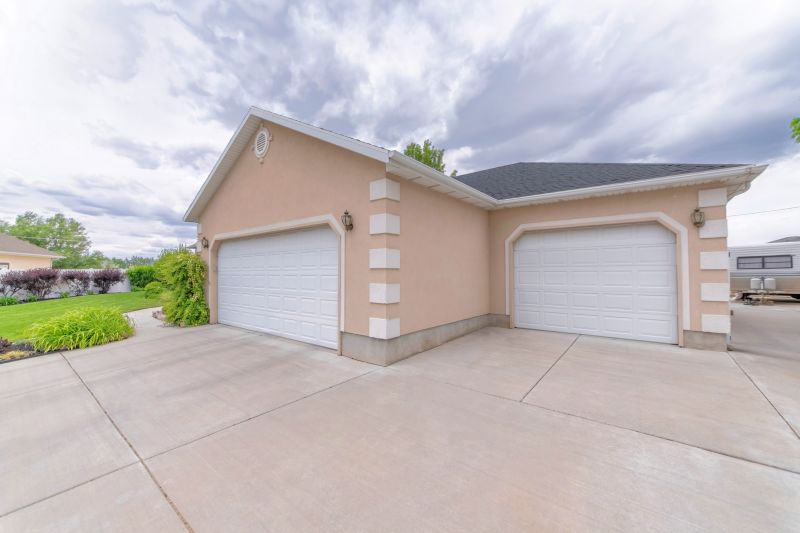
When evaluating service providers for concrete driveway installation, it’s important to consider their experience with similar projects. Contractors who have successfully handled driveway installations comparable in size and scope are more likely to understand the nuances of proper installation techniques that help prevent cracking and settling. Their familiarity with local soil conditions, climate factors, and common challenges can contribute to a more durable and long-lasting driveway. Asking about past projects or reviewing portfolios can provide insight into their expertise and whether they have a track record of delivering quality results in similar settings.
Clear written expectations are essential when comparing local contractors for driveway installation. A detailed scope of work should outline the steps involved in the project, including preparation, pouring, finishing, and curing processes that are critical to preventing issues like cracking. Contractors who provide comprehensive and transparent documentation can help ensure that all aspects of proper installation are addressed, reducing the risk of misunderstandings or overlooked details. This clarity allows homeowners to make informed decisions and set realistic expectations for the quality and longevity of the finished driveway.
Reputable references and good communication are key indicators of a reliable service provider. Local contractors who can provide references from previous clients demonstrate confidence in their work and offer insights into their professionalism and attention to detail. Effective communication throughout the project ensures that homeowners’ questions are answered and concerns addressed promptly, which is important for overseeing proper installation practices. Choosing a contractor known for responsiveness and transparency can lead to a smoother process and a driveway that is better protected against cracking and settling through proper installation techniques.
Property owners often search for how proper installation prevents cracking and settling when they are planning practical projects around their homes and businesses. Local pros provide Concrete Driveway Installation services for everyday jobs and straightforward project options.

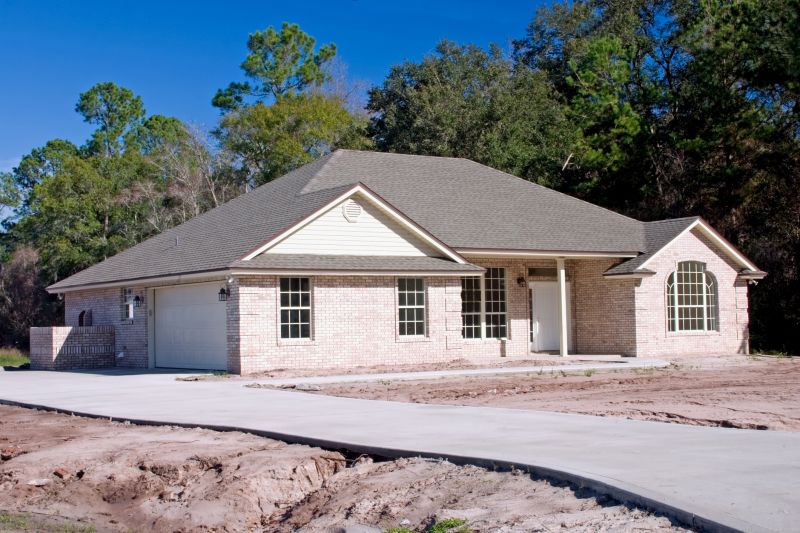
Proper installation of a concrete driveway is essential in preventing common issues like cracking and settling over time. When local contractors carefully prepare the subgrade, ensure proper reinforcement, and follow established pouring techniques, they create a stable foundation that can better withstand the stresses of daily use and shifting soil. This attention to detail helps maintain the driveway’s integrity, reducing the likelihood of uneven surfaces or cracks developing prematurely, which can lead to costly repairs down the line.
Homeowners in the area often seek out experienced service providers who understand the unique soil conditions and climate factors that can influence concrete performance. By choosing local pros who prioritize proper installation practices, property owners can improve the longevity of their driveways and avoid common problems caused by poor setup. Ensuring that installation is done correctly from the start is a practical step toward maintaining a smooth, durable surface that stands the test of time.
How does proper installation prevent cracking in concrete driveways? Proper installation ensures that the concrete is placed with appropriate joint placement, adequate reinforcement, and proper curing, which helps control where cracks form and reduces their likelihood.
In what ways does proper installation help prevent settling issues? Using a well-prepared base, ensuring proper compaction, and following correct grading techniques help prevent uneven settling and maintain the driveway’s stability over time.
Why is the quality of materials important for preventing cracking and settling? High-quality materials, including suitable concrete mixes and reinforcement, contribute to a more durable driveway that resists cracking and uneven settling caused by environmental or load stresses.
How do local contractors ensure proper installation to avoid future problems? Local service providers follow best practices such as proper site preparation, correct joint placement, and adequate curing to ensure the driveway remains stable and crack-free.
Can proper installation techniques extend the lifespan of a concrete driveway? Yes, proper installation directly impacts the longevity of a driveway by minimizing issues like cracking and settling, helping it stay functional and attractive for years to come.
Proper site preparation - Ensuring a stable and level base helps prevent uneven settling that can cause cracks in a concrete driveway.
Accurate soil assessment - Local contractors can evaluate soil conditions to recommend suitable subgrade materials, reducing future shifting.
Using appropriate reinforcement - Incorporating reinforcement like rebar or mesh during installation helps distribute loads evenly and minimizes cracking.
Proper joint placement - Strategic placement of control joints allows for controlled cracking, reducing the risk of unsightly settling over time.
If you are thinking about how proper installation prevents cracking and settling for a property, this guide is meant to help you understand this topic, the typical project types, and how different options might fit your plans.
When you are ready, you can use the quote form on this page to share a few details about your project. From there, local pros can review the basics and follow up with options that match what you have in mind.